For example, I'm assuming a guy with time on amphib Cessnas & Dehavillands has a better chance of landing a float position than someone with time on Lakes?
Just something about those boats that makes me all warm and fuzzy
inside

Moderators: sky's the limit, sepia, Sulako, North Shore, Rudder Bug


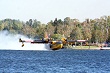
 No doubt! I was thinking outside of fire fighting...although that would be very cool to pull a 415 up to the beach at the cottage no?
Actually there are quite a few... Check out this place called USA...dhc-t2 wrote:I bet there are hundreds of people lining up out the door to buy a 2 million dollar Turbo Goose. Hauling the inlaws & fandamily out to the cottage will cost a mere 100 - 150 gallons of Jet 'A'. & not to mention insuring a couple of nice shiney PT6A-34's for use on a flying boat!

So do the ones in your avatar!wow those things look pretty neat





 It makes my job so much easier.

|


Use AvCanada's information at your own risk!
We reserve the right to remove any messages that we deem unacceptable.
When you post a message, your IP is logged and may be provided to concerned parties where unethical or illegal
behavior is apparent.
All rights reserved.