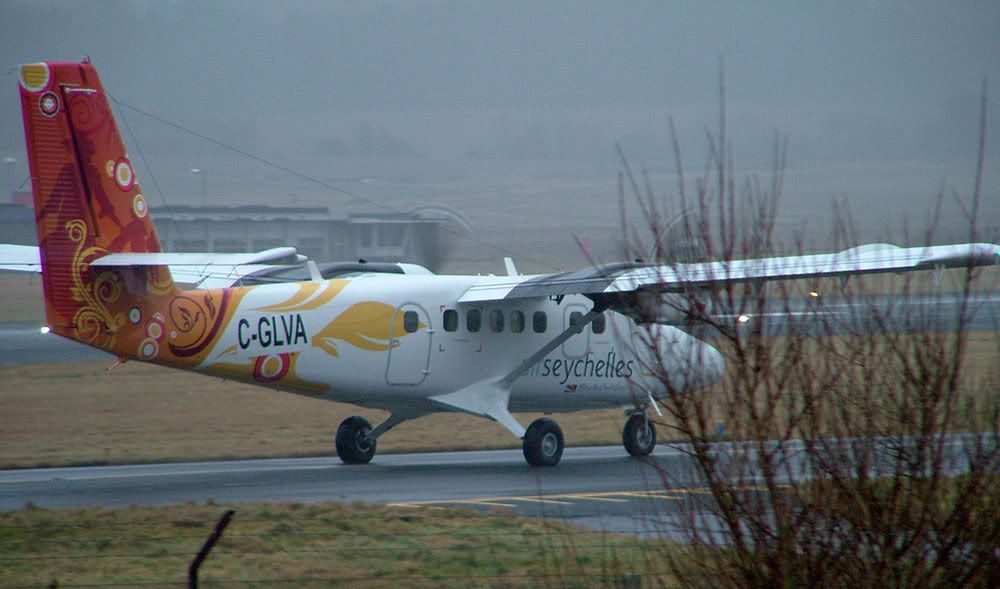
Well, we finally arrived at our destination in the Seychelles, 20 days after leaving Victoria. The ferry flight was interrupted for about a week because I had to return to Canada suddenly due to the death of my mother-in-law. Excluding the time that accrued while I was back in Canada, it took us 15 days to complete the trip.
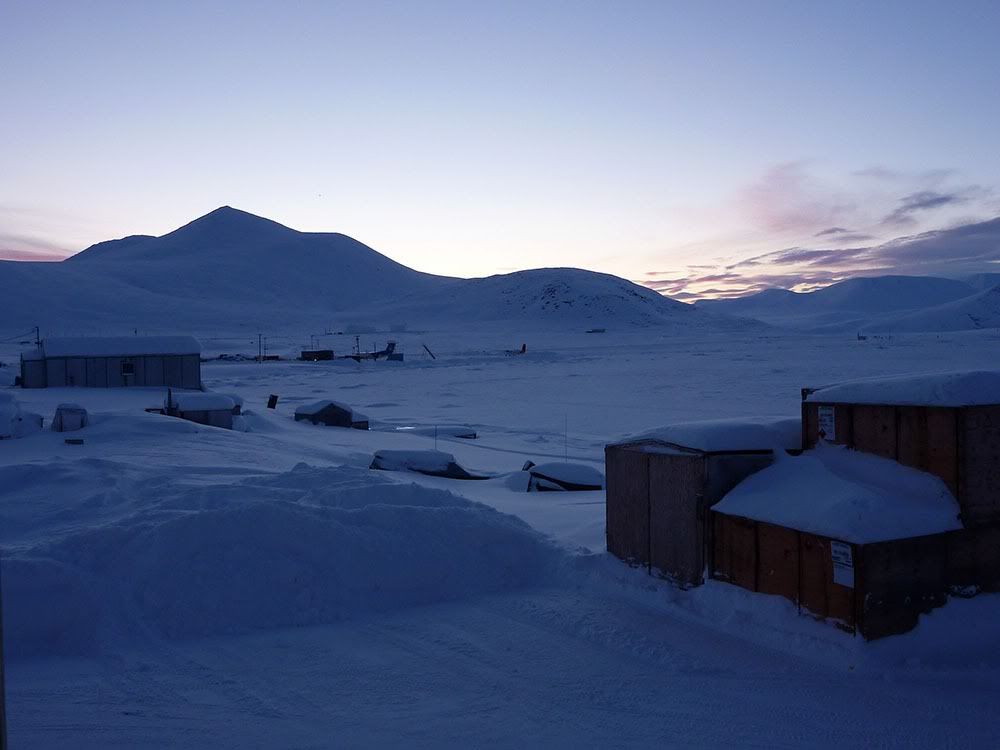
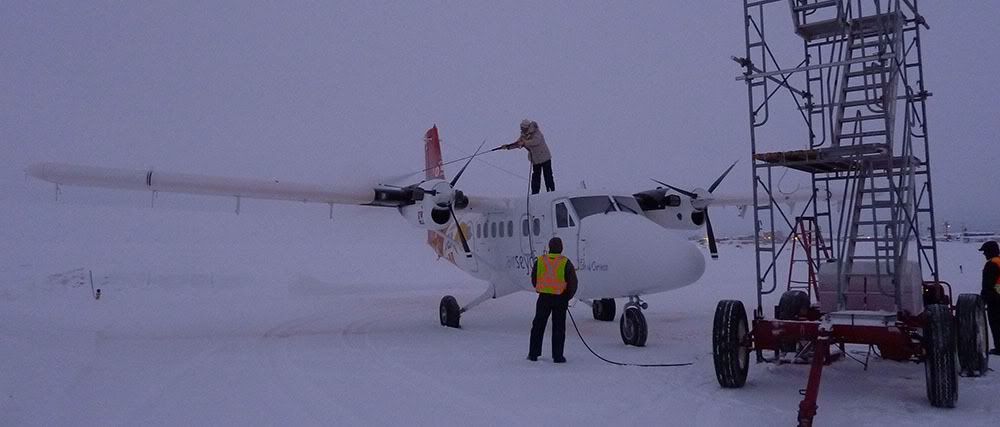
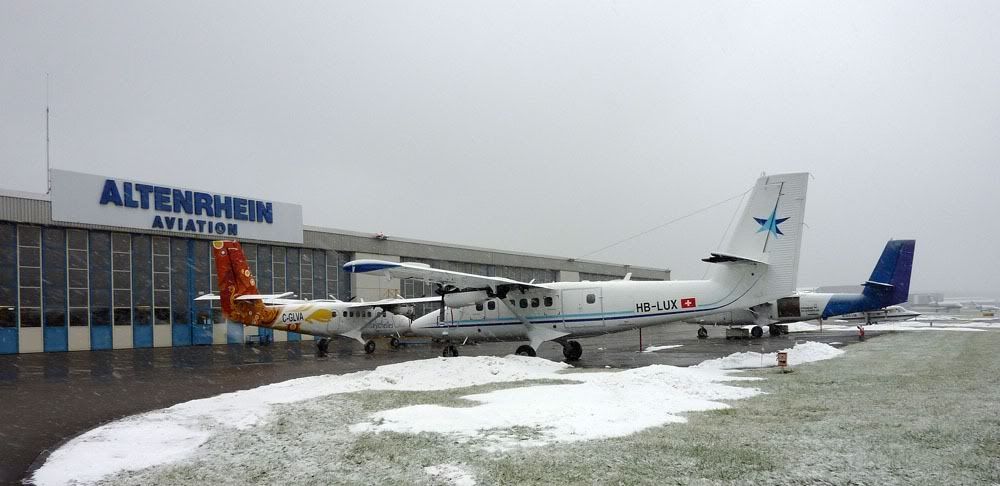
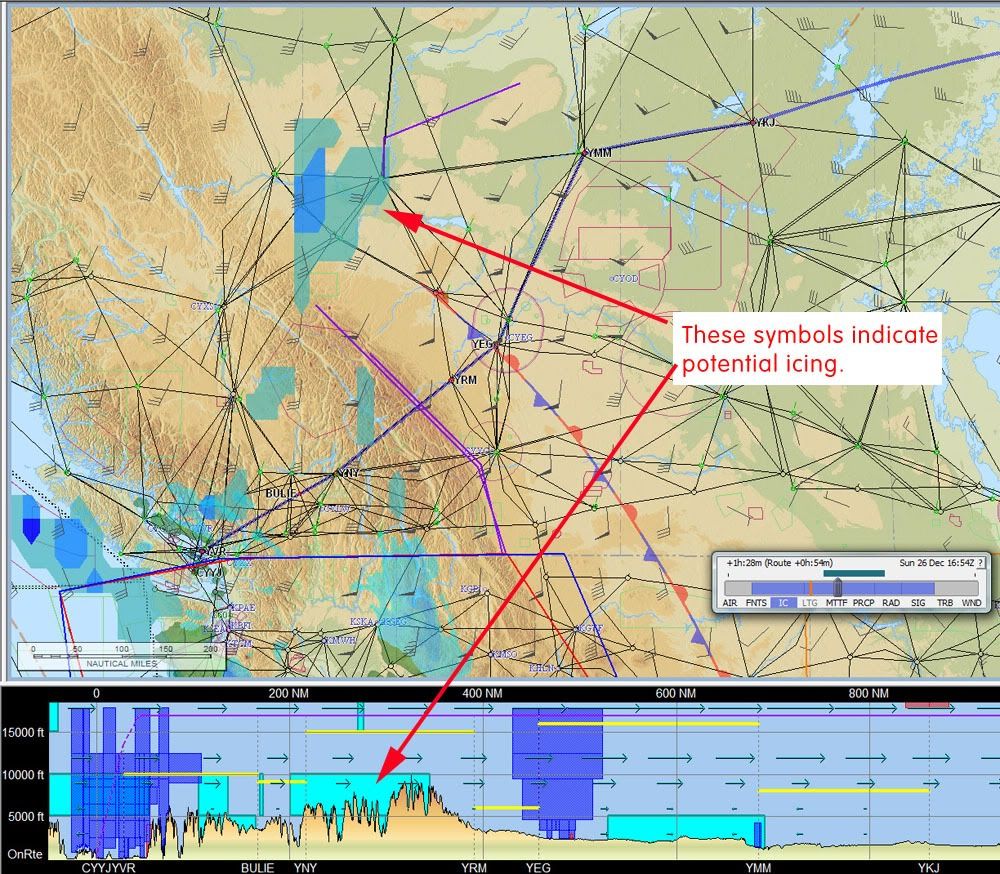
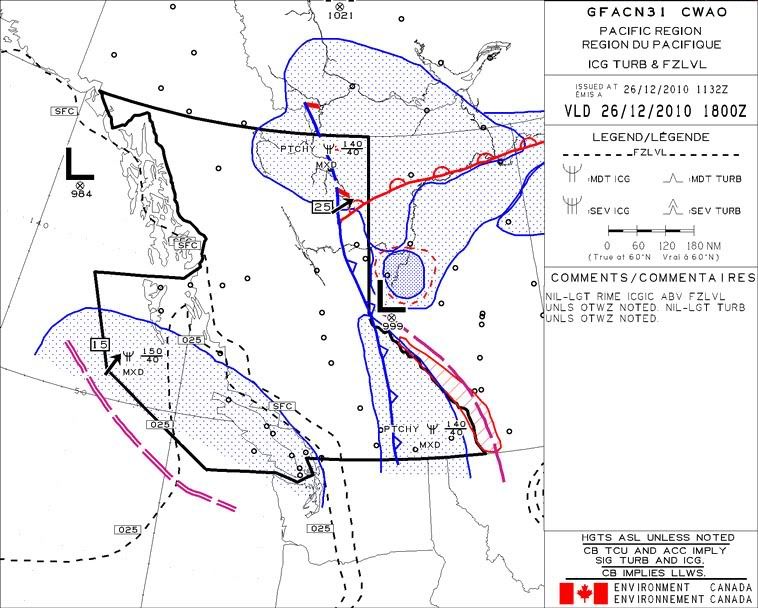
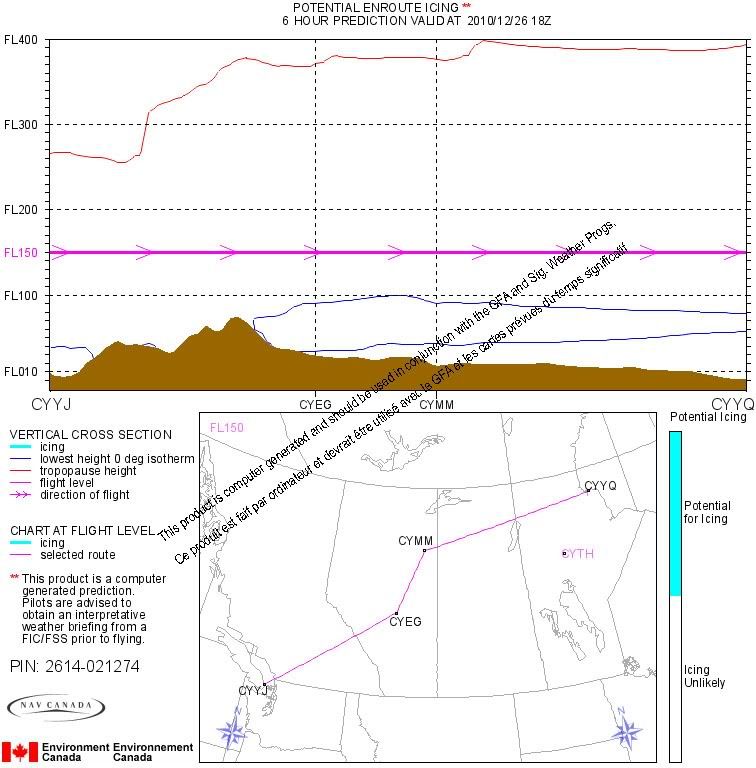
We flew 11 legs total. We were delayed one day in Qikiqtarjuaq (Broughton Island) due to forecast icing conditions enroute, a couple of days in Switzerland due to the New Year Holiday (we arrived there New Year's Eve), and one day in Egypt due to late arrival of an overflight clearance. All in all, this was less delay than we had expected, considering that we were flying a plane that did not have de-ice equipment installed.
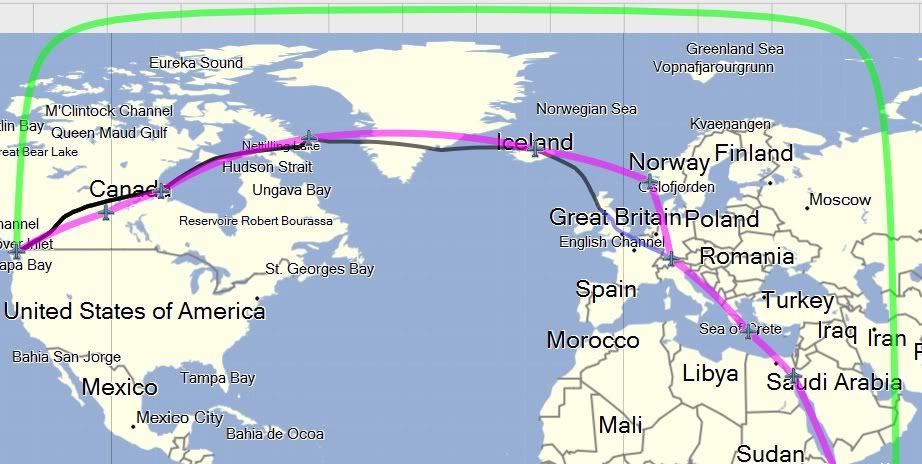
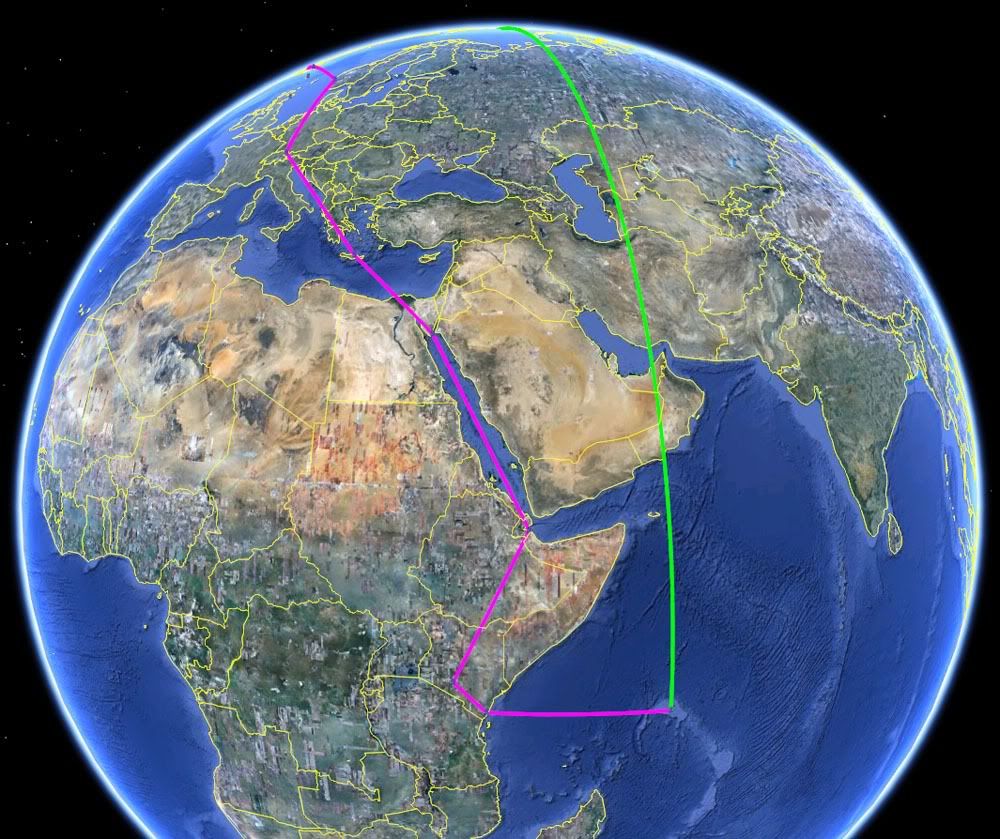
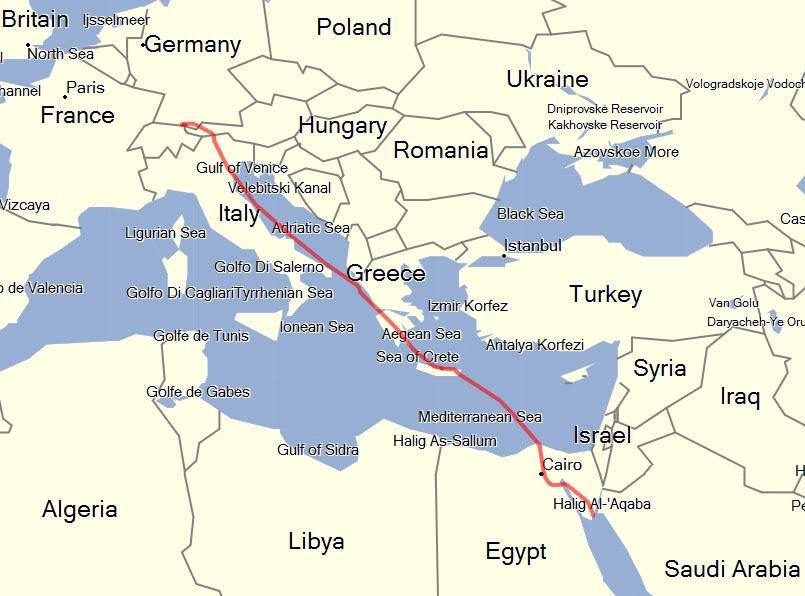
The illustration below shows the last part of the ferry flight.
Last 1/3 of the flight
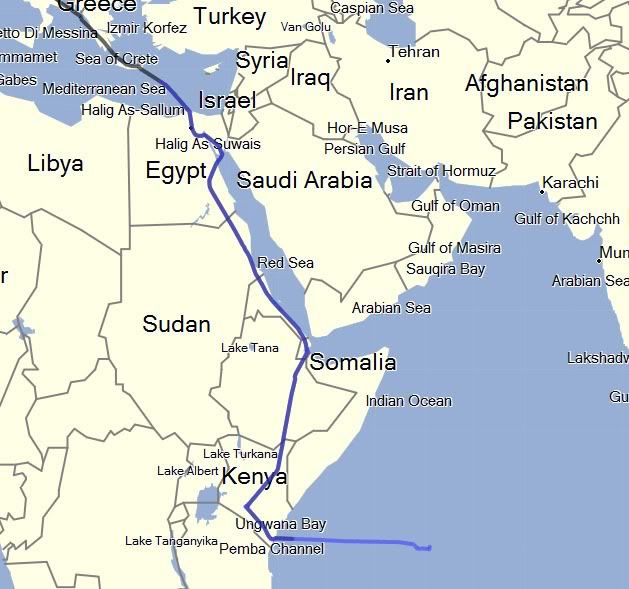
The longest leg (in terms of distance) was the first day of our trip, when we enjoyed awesome 60 knot plus tailwinds and flew directly from Victoria to Churchill, MB. Unfortunately that meant we missed landing and staying overnight at La Ronge - our first planned stop - but when you get tailwinds that strong, you take advantage of them! The shortest leg of the trip (both distance and time) was from Nairobi, Kenya to a fuel stop in Mombasa, Kenya - only 1.5 hours. As it turned out, looking at things with the benefit of 20-20 hindsight, we could have flown from Nairobi directly to the Seychelles without making the fuel stop - we landed in Seychelles with over 2,000 pounds of fuel remaining, far more than we uploaded at Mombasa. But, when a flight consists of a 1,000+ mile trip straight out over open ocean, with no alternate, it's best to begin that flight with as much fuel on board as possible. You have probably hear the saying
"There are old pilots, and there are bold pilots, but there are no old, bold pilots..."
The longest leg in terms of flight time was the trip from Sharm-el-Sheik Egypt down the Red Sea to Djibouti. We had 60 knot plus winds on that flight too, except that they were not in our favour. For the most part, the winds were out of the west, directly abeam our course, but we probably averaged about a 15 knot headwind component on that 1,100 mile sector.
Overall, we averaged 5.4 hours flight time per leg, for a total flight time of 59 hours. 5.4 hours per leg is a comfortable number - allowing for about 2 hours preparation every morning before take-off (leaving the hotel, getting to the airport, filing the flight plan and doing other paperwork) and about 2.5 hours of work every evening after landing (fuelling the plane, securing it, customs formalities and getting to the hotel), that yields an average duty day of 10 hours, which is quite sustainable day after day. I've learned over the years that there is not much point in pushing things on ferry flights - if you do a couple of 14 hour duty days in a row and cover a lot of miles, you get fatigued, and then need to take a day off to recover. It's kind of like the story about the tortoise and the hare - the tortoise always gets to the destination first.
The last half of the ferry flight was less interesting than the first half - probably because we were flying over oceans or quite sparsely settled areas most of the time - but, here's a few pictures to bring this story to an end:
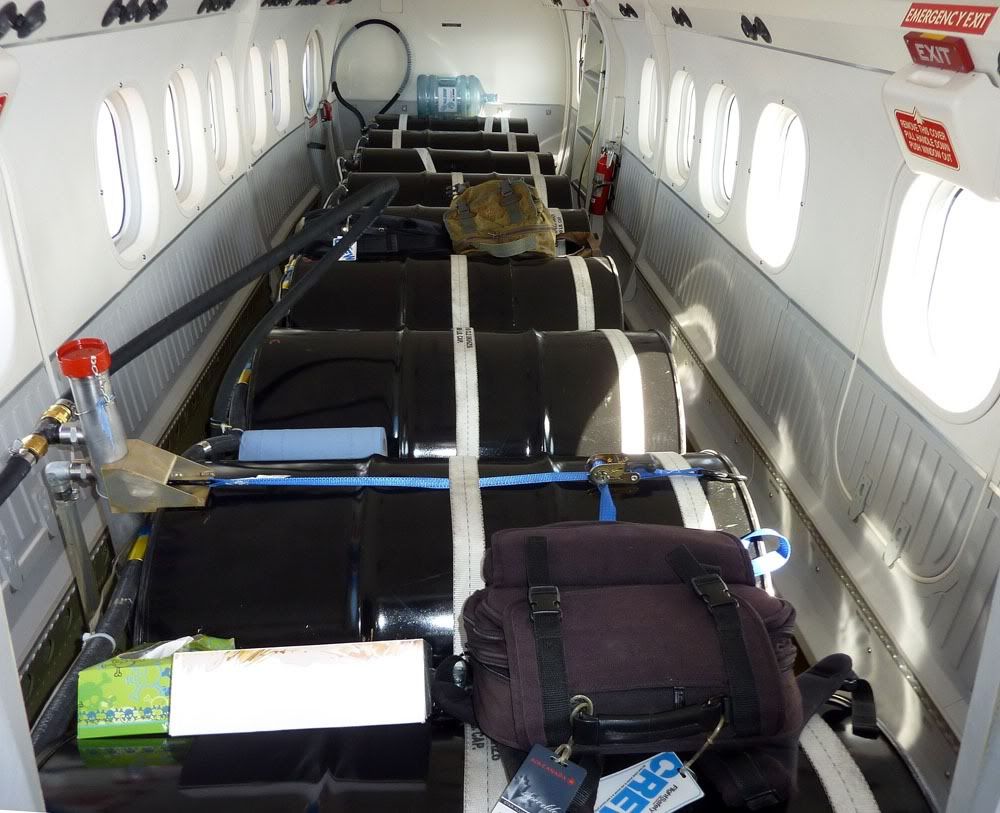
Our Ferry Fuel System
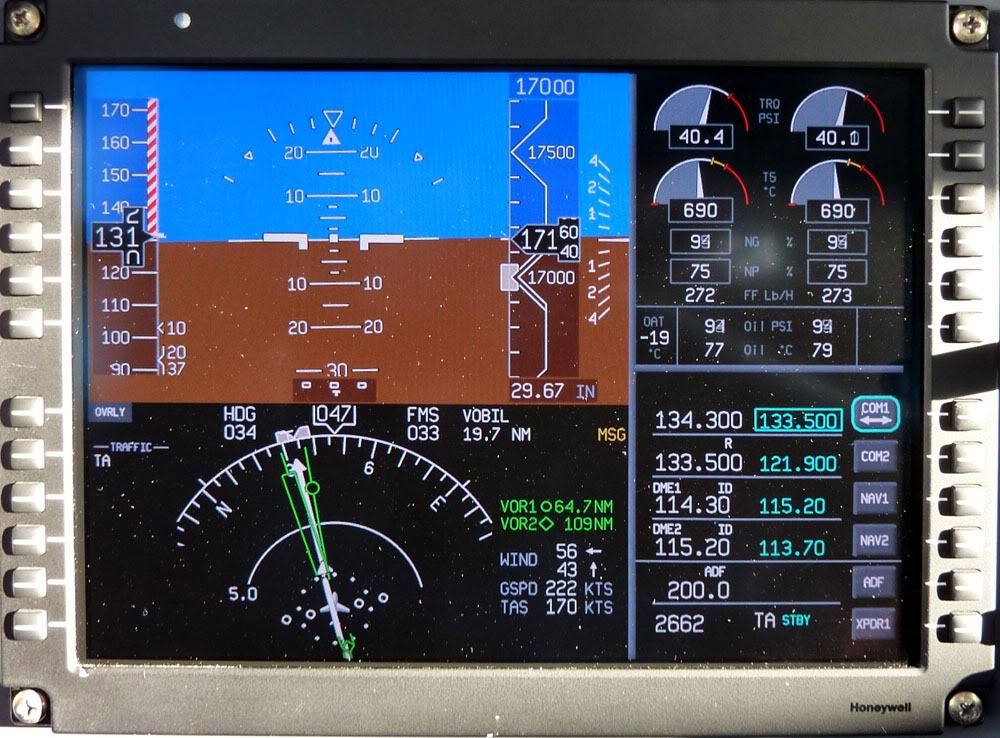
We used a 9 drum ferry system, exactly the system described in the de Havilland documentation (AFM). Although the theoretical capacity of this system is 1,800 litres, after allowing for ullage and unusable fuel, the usable capacity is about 90% of that. So, with 1,720 litres (roughly 3,100 pounds) of fuel in the ferry tanks, and 2,550 pounds of usable fuel in the fuselage tanks, we had sufficient fuel on board for 8.5 hours of flight at maximum power (a fuel burn of 660 PPH, yielding a block TAS of 170 knots), or 10 hours of flight at a moderate power setting (a fuel burn of 560 PPH, yielding a block TAS of 150 knots). If we had headwinds, we used the maximum power setting, and if we had no winds or tailwinds, we used the moderate power setting. Might sound odd at first, but the strategy was to minimize the amount of flight time spent in headwinds.
It is a very simple and very reliable ferry fuel system. Drawings for this ferry fuel system, which fits all models of Twin Otter, are available from Viking Air.
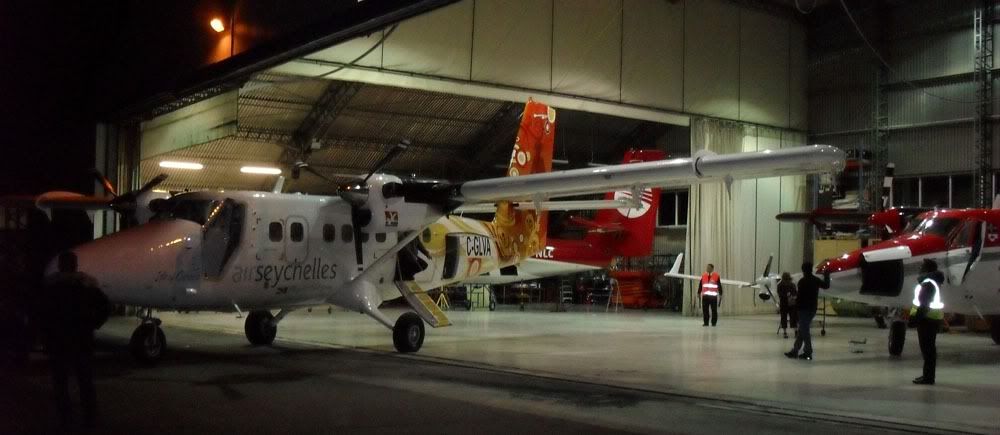
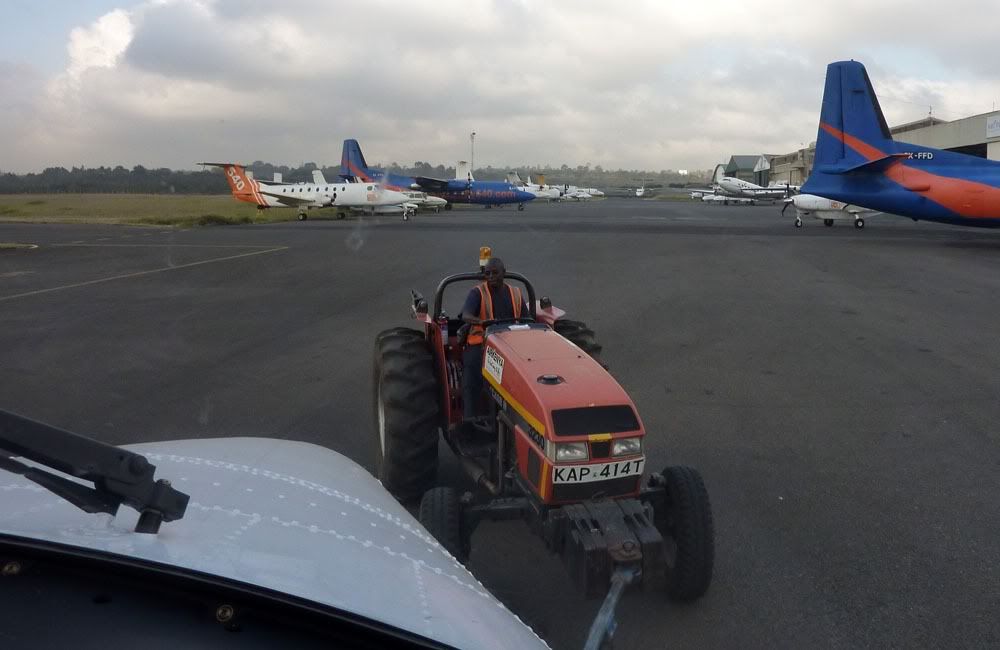
We had a very enjoyable stop at Nairobi Wilson airport, and thank the staff at Air Kenya and ALS for their hospitality. Air Kenya was kind enough to allow us to put the new aircraft in their hangar overnight. Below is a picture of us being towed out in the morning. As you can see, there is lots of general aviation activity at Wilson airport (HKNW).
Wilson Airport
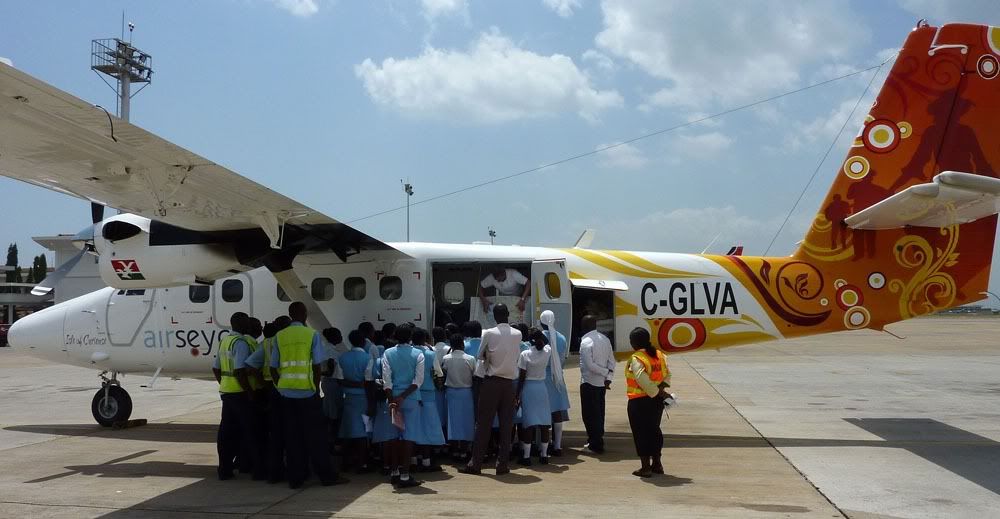
As we were refuelling at Mombasa airport, just prior to the final leg of the flight across the Indian Ocean to Seychelles, a group of schoolchildren came by the aircraft. They were on a tour of the airport to learn about different job opportunities in aviation. We had lots of time to spare, so, we gave them a tour of the aircraft, explained how the aircraft worked, and showed them how we use maps and mathematics to figure out where we want to go and how to get there. The kids were very interested, and I think they enjoyed the tour as much as we enjoyed the time we spent with them.
School Tour - Mombasa
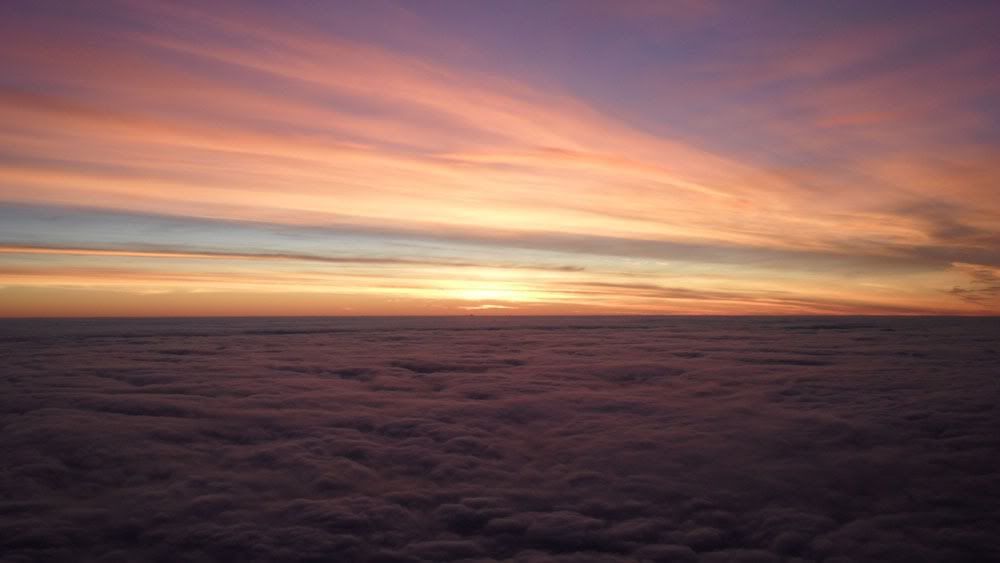
The flight across the Indian Ocean - almost straight east along the Equator - was kind of boring, but Captain Robert assured me that it would get interesting by the time we reached the Seychelles. He knew what he was talking about - once we got to within about 100 miles of the final destination, we started to see some really serious late afternoon thunderstorms developing up ahead.
Thunderstorms near Seychelles
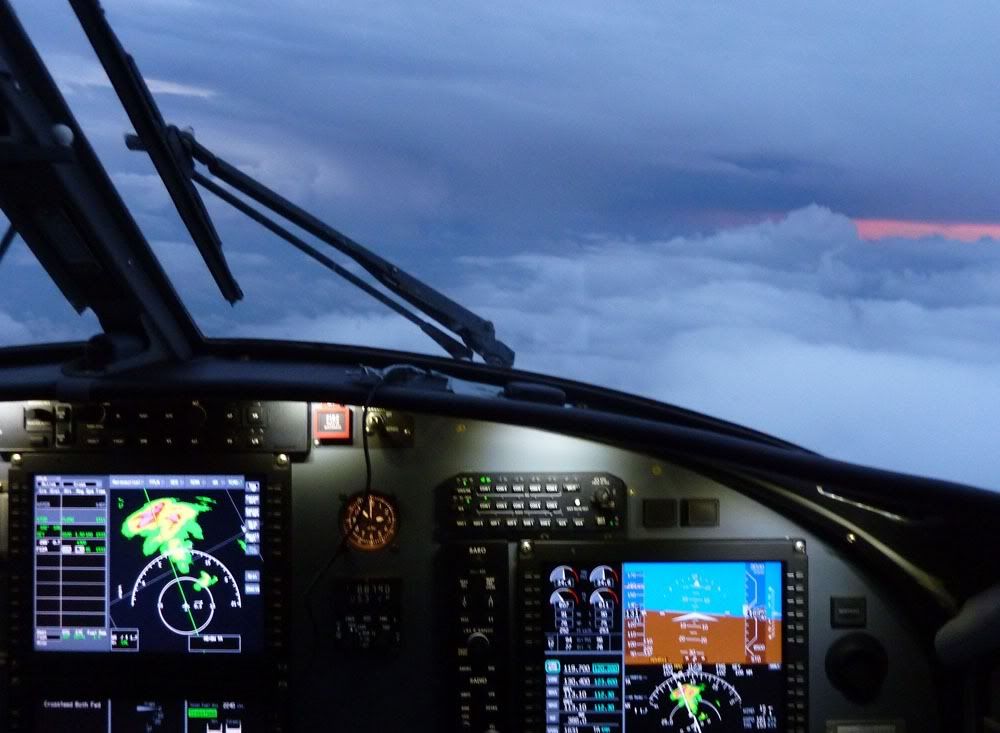
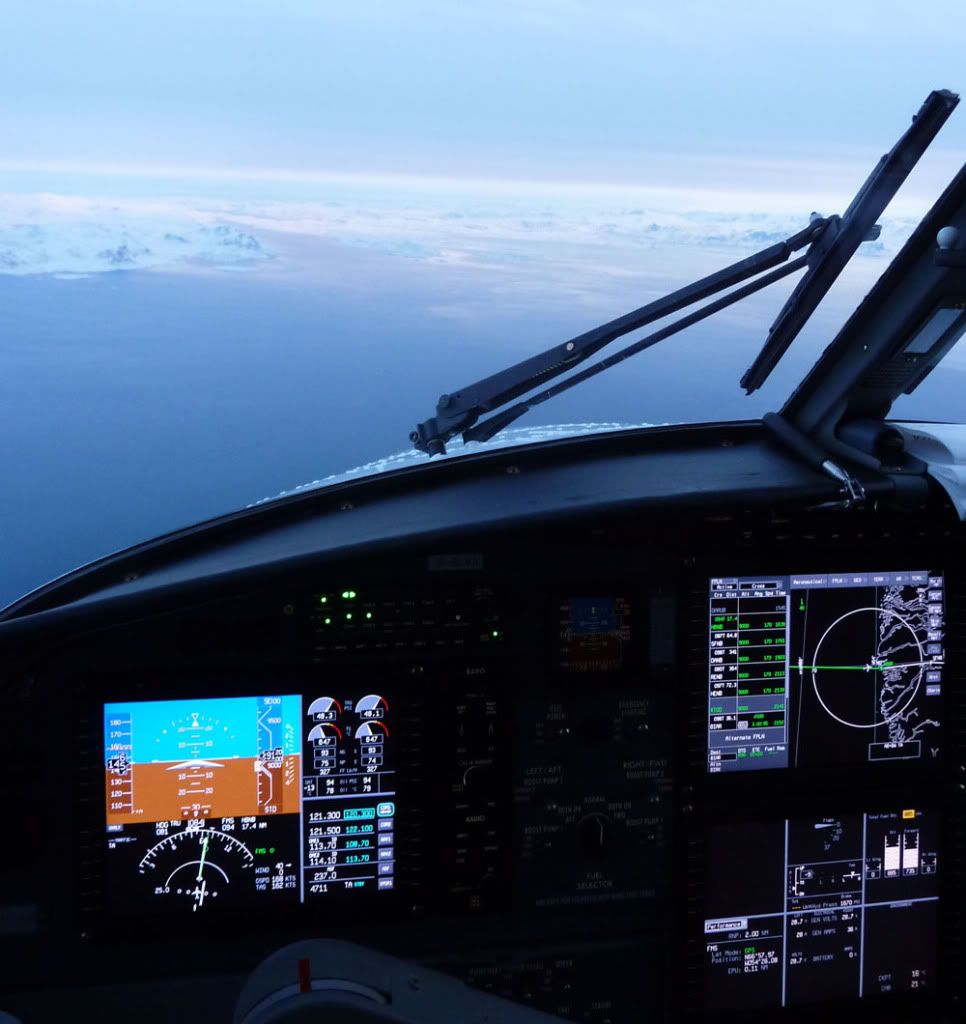
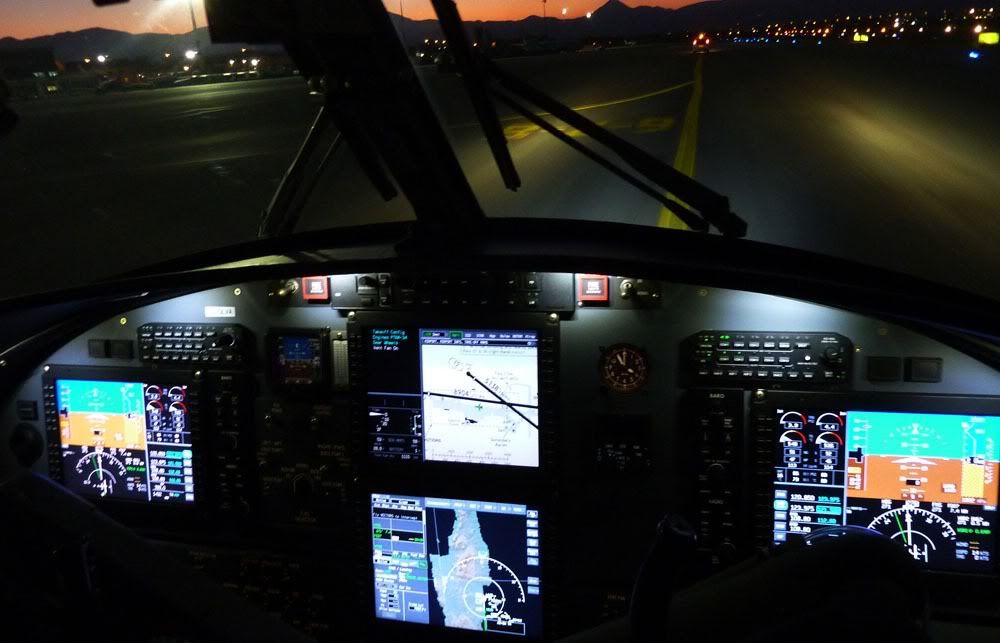
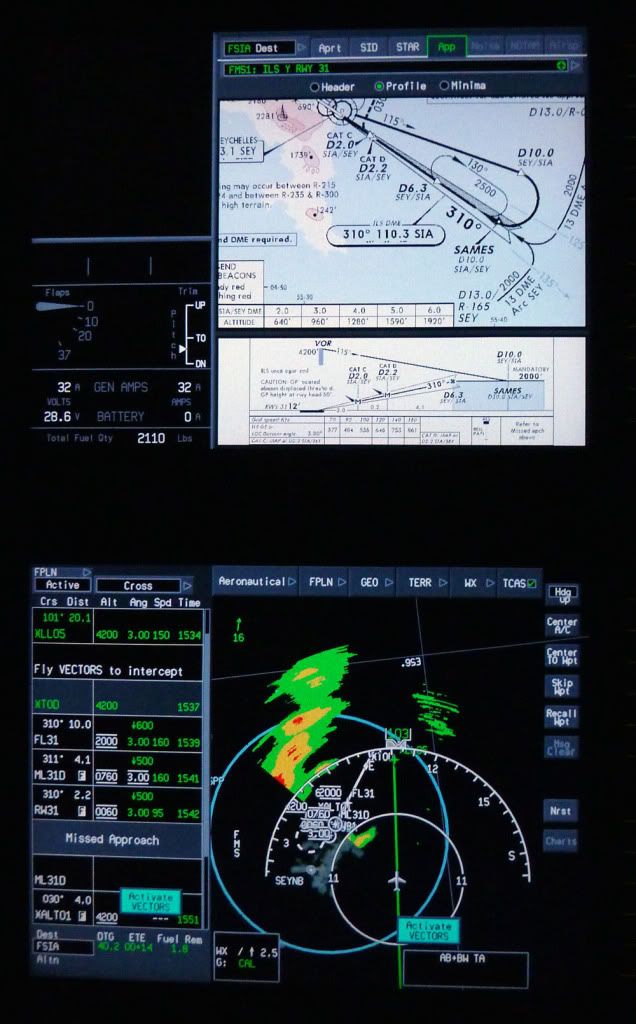
The Honeywell RDR 2000 did a great job of showing us where the potential trouble could be, and together with the display of the STAR and the final approach course on the FMS (overlaid with the radar image), allowed us to select a remarkably calm visual route through the storms. We picked up the 13 DME arc to final, which was outside of the storm area, and flew a visual ILS to landing.
Radar Image - Beginning of Final Approach
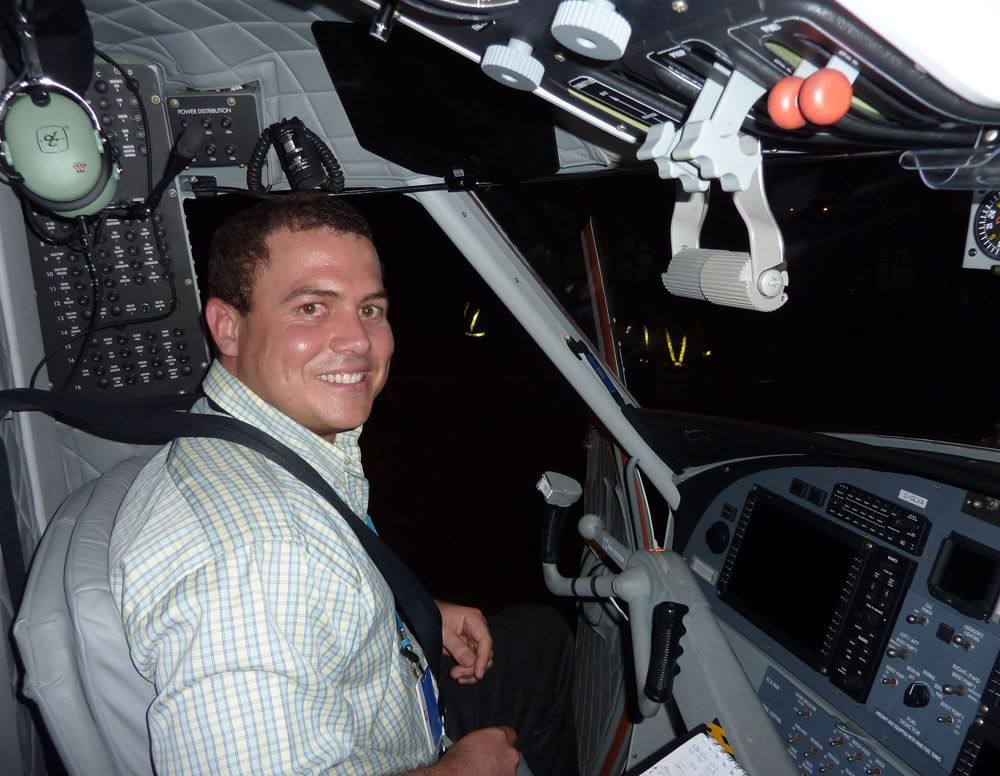
Both of us were happy to be 'home'. The picture below of Captain Michael Robert of Air Seychelles, the person who really did all the work on this ferry (I just sat in the right seat and talked on the radio occasionally), sums everything up better than words could.
Captain Michael Robert, after landing at the Seychelles International Airport
All in all, it was a pleasant trip. I'm already looking forward to the next ferry flight.
Michael
 Right now I am still in Victoria, hoping for this darn front and all of the icing associated with it to move along out of my way.