Well,
Now that my stomach is ridiculously full, I'll see if I can make any sense before my pancreas explodes... Made a lemon pie from scratch - HIGHLY recommend it....
The way I see things, flying - any flying - is about management of factors. These factors include your aircraft type and its capability, you and your skills/knowledge/EXPERIENCE, and your environment; both physical and atmospheric among many others. How you manage these things determines how well any given flight will turn out. There is a huge difference in my opinion, between just flying somewhere, and flying with skill and competence.
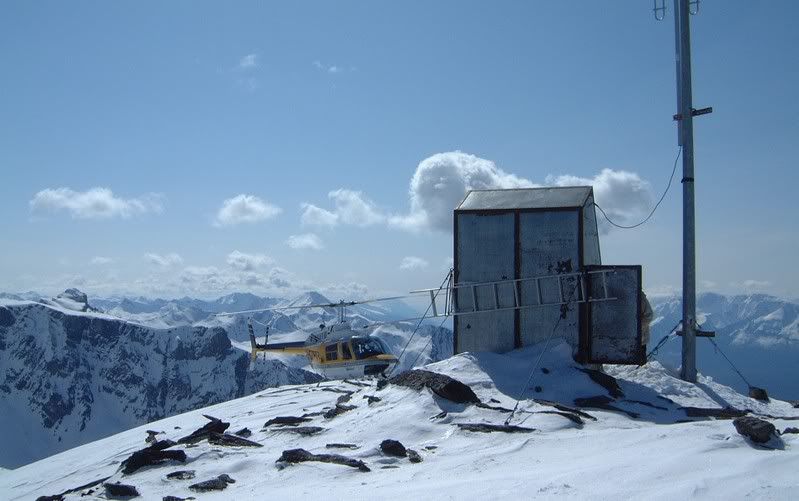
Mountain flying, and coastal mountain flying in particular, exaggerate all these factors many times, reduce margins of safety and make the decision making process more critical. Not respecting that can lead to some seriously uncomfortable moments, or worse.
100% of fixed wing pilots (and I was one of them) come out of school with almost ZERO practical knowledge about wind, and how it behaves in a mountainous environment. Acquiring that knowledge comes with experience and learning from those with experience. Unfortunately our flight training system in Canada is whoafully lacking in this department - but I digress.
Those of you who fly here know what I'm going to say, those of you who don't might think I'm overstating things a bit, I'm not, but here it goes anyway.
RESPECT
Respect the environment. Seasons matter, they bring WX of all kinds, some of it VERY quickly. Learn about how mountain or coastal weather works, learn how to recognize impending changes, and until you are VERY comfortable with this, PLAY IT SAFE. Whether on floats, wheels, or even in a helicopter, you CAN get caught very easily by weather if you don't know what to look for, and getting caught on glaciers or other unfriendly places is not a whole lots of fun.
Respect your machine. Just because the machine CAN do something, doesn't necessarily mean you should do it. In difficult terrain/weather, you always want to leave something in the tank for the Wife/Husband and Kids. Until you KNOW beyond a shadow of a doubt that you can get off that lake or airstrip/sandbar, out-climb that down-flowing wind, or in my case, set that sling load safely, err on the side of caution. It takes years and thousands of hours to learn these things, and when you move machines, or locations, the process starts again. The neat part is, when you finally KNOW these things, if you've learned anything along the way, you'll always leave something in reserve... There isn't a customer or load in the world worth dieing for.
UNDERSTANDING
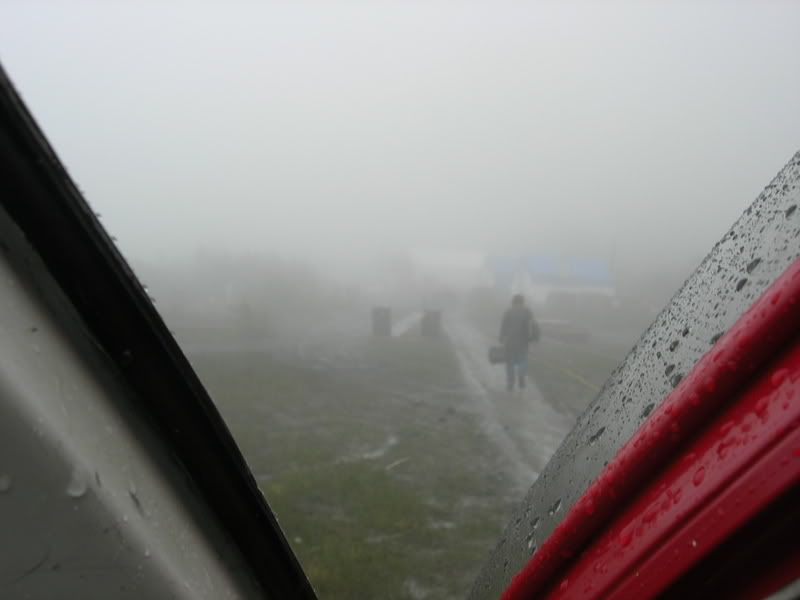
Understanding what you know, and what you DON'T, while leaving you ego at the dock/pad/ramp is critically important when working in the hills or on the coast. That's NOT to say there aren't some people doing some extraordinary things with their machines, but I'd be willing to bet that they went through the process above before they did. It's amazing what conditions a person can fly in once they understand all those factors, and it never ceases to amaze me what becomes "normal" after a period of time. People are very adaptable, and resetting the bar happens a lot. You just need to ensure in these locations that the bar is not reset BEFORE you KNOW what the hell you're doing. If it is, you're an accident waiting to happen. In my world, we work in very specific locations, often for months at a time, and while you may get to know every rock, bush or crevasse by name, it doesn't mean that when the fog is to the ground you should be out there with the door off hovering through the muck - even though you can...
Understanding where you are working, what works, and what doesn't on any given day is so important. Use the resources available to you, more experienced pilots, books, fisherman, heliski guilds, trappers, lodge owners, whatever. Just seek out the people who know how to work in these locations. Talking to them will at least give you a baseline of knowledge that will help you learn for yourself. And we ALL have to learn for ourselves.
HUMILITY
We all want to "be the best." We all want to be "the guy." Fine, but have the humility to understand that you don't come out of the womb knowing how to fly airplanes or helicopters - particularly on the coast or in the mountains. You CAN learn, if you have patience and if you put in the time. It's NOT rocket science like some people would have you believe, but there is a method, and there are things that work and things that don't work.
I suppose most of what I just wrote applies to all types of flying, but in the Arctic, the mountains, or on either of our Coast's, the consequences of mistakes are considerable. You have an obligation to your owner, your customers, and yourself, to learn as much as possible about your craft, and the locations you ply it in.
stl
PS I'm not going to give a mountain flying lesson, but with the right attitude towards it, anyone can learn what they need to know in order to operate in these places safely.